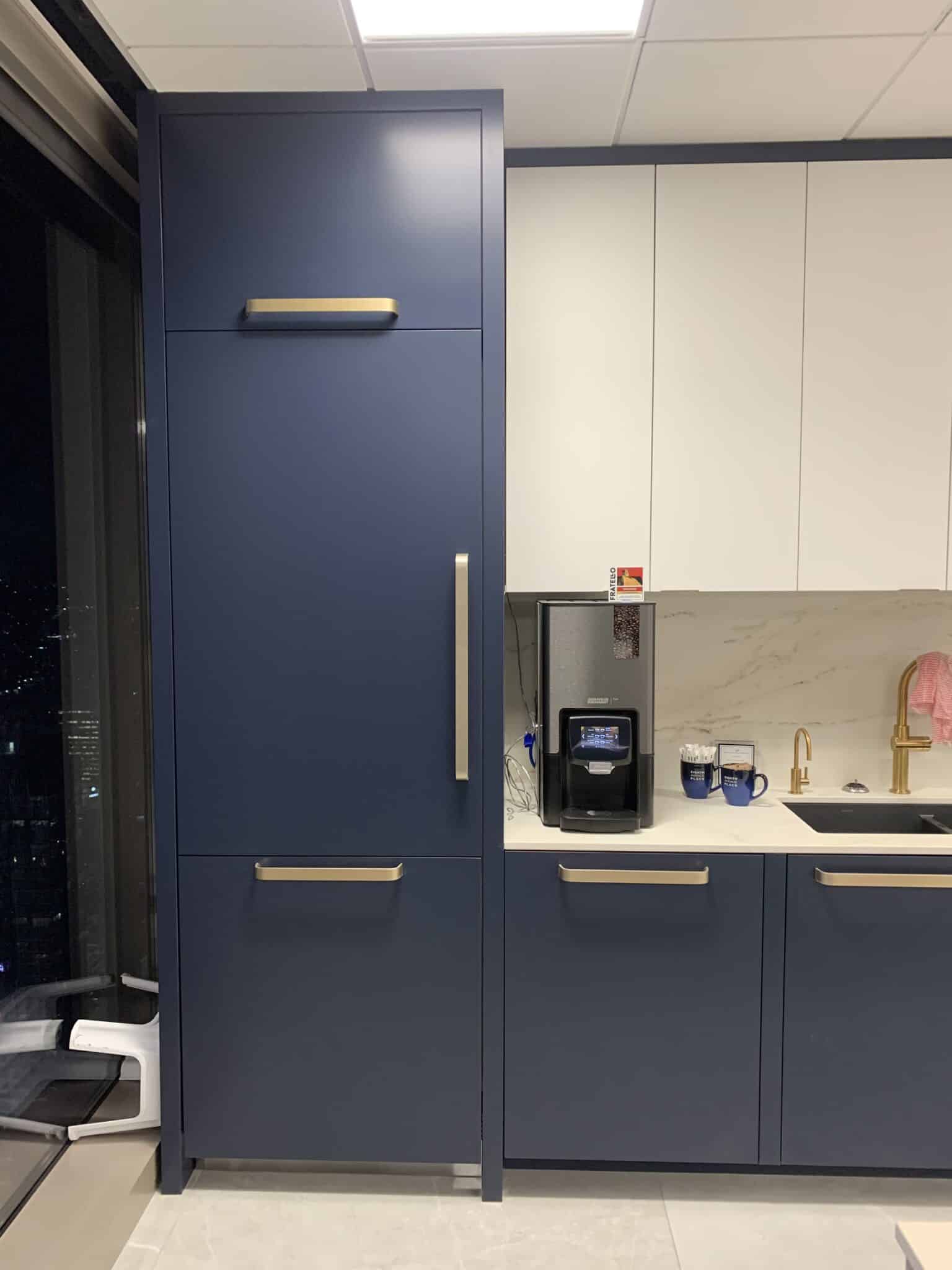
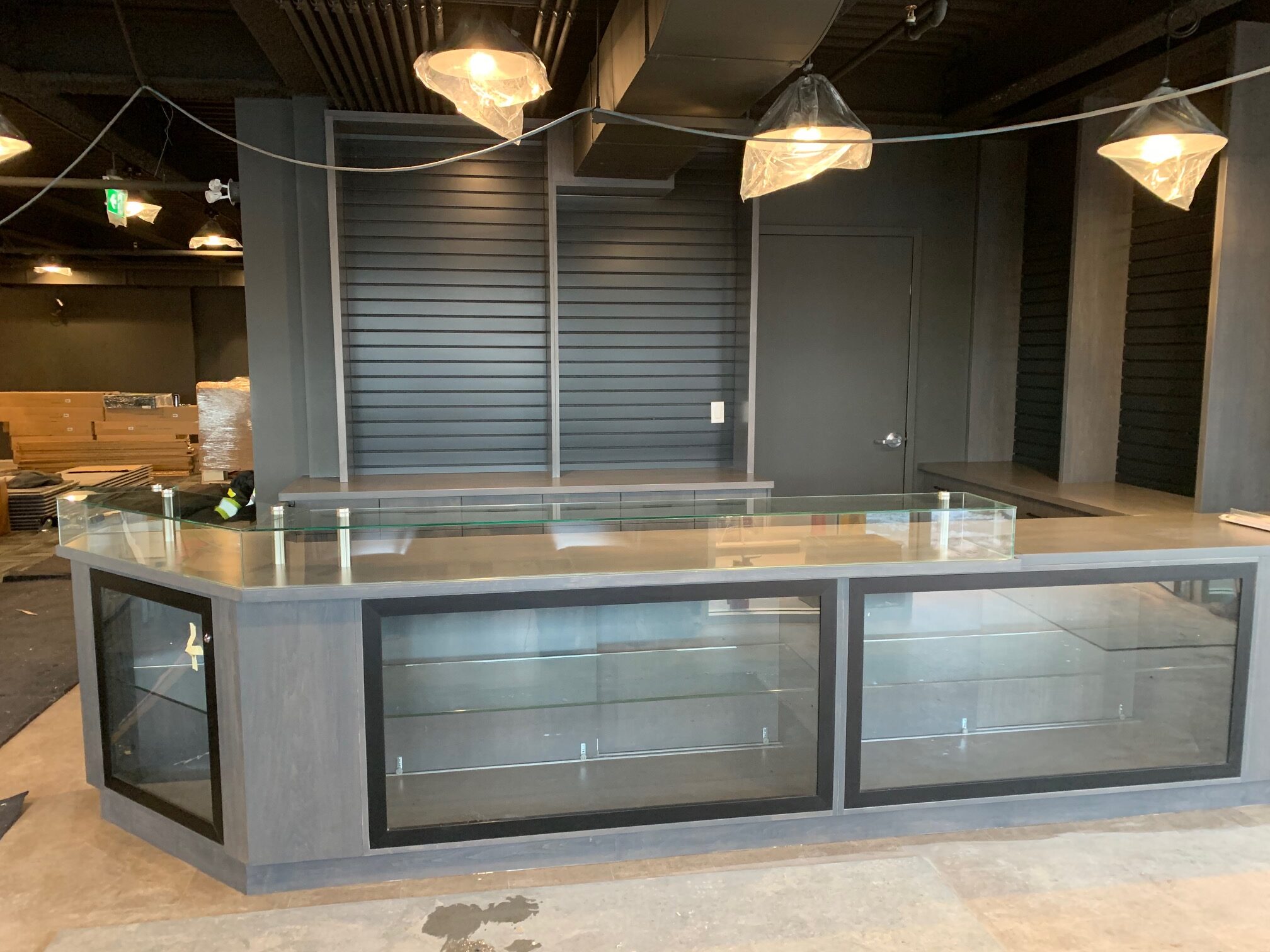
Custom Millwork and Cabinetry.

Craftsmanship.

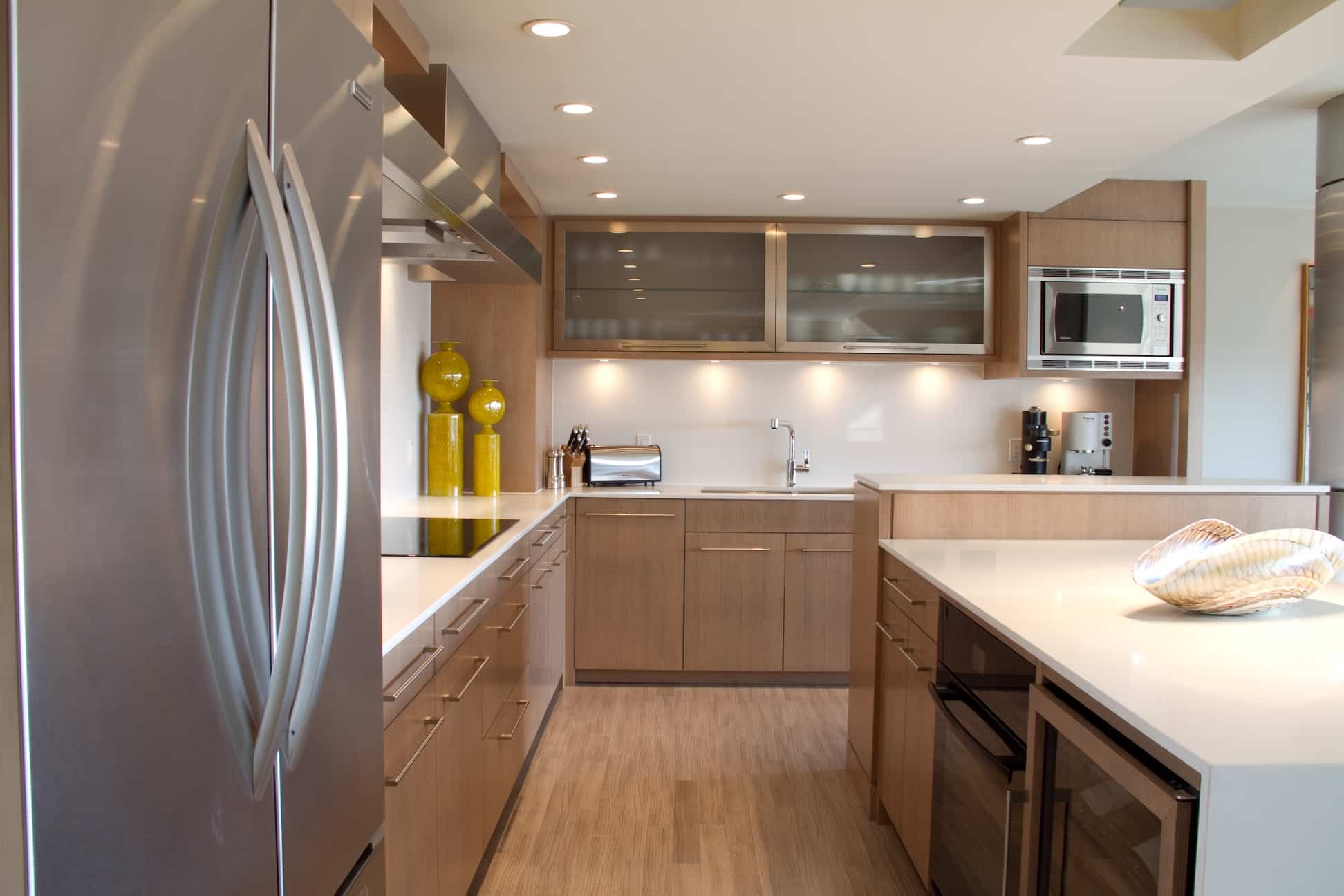
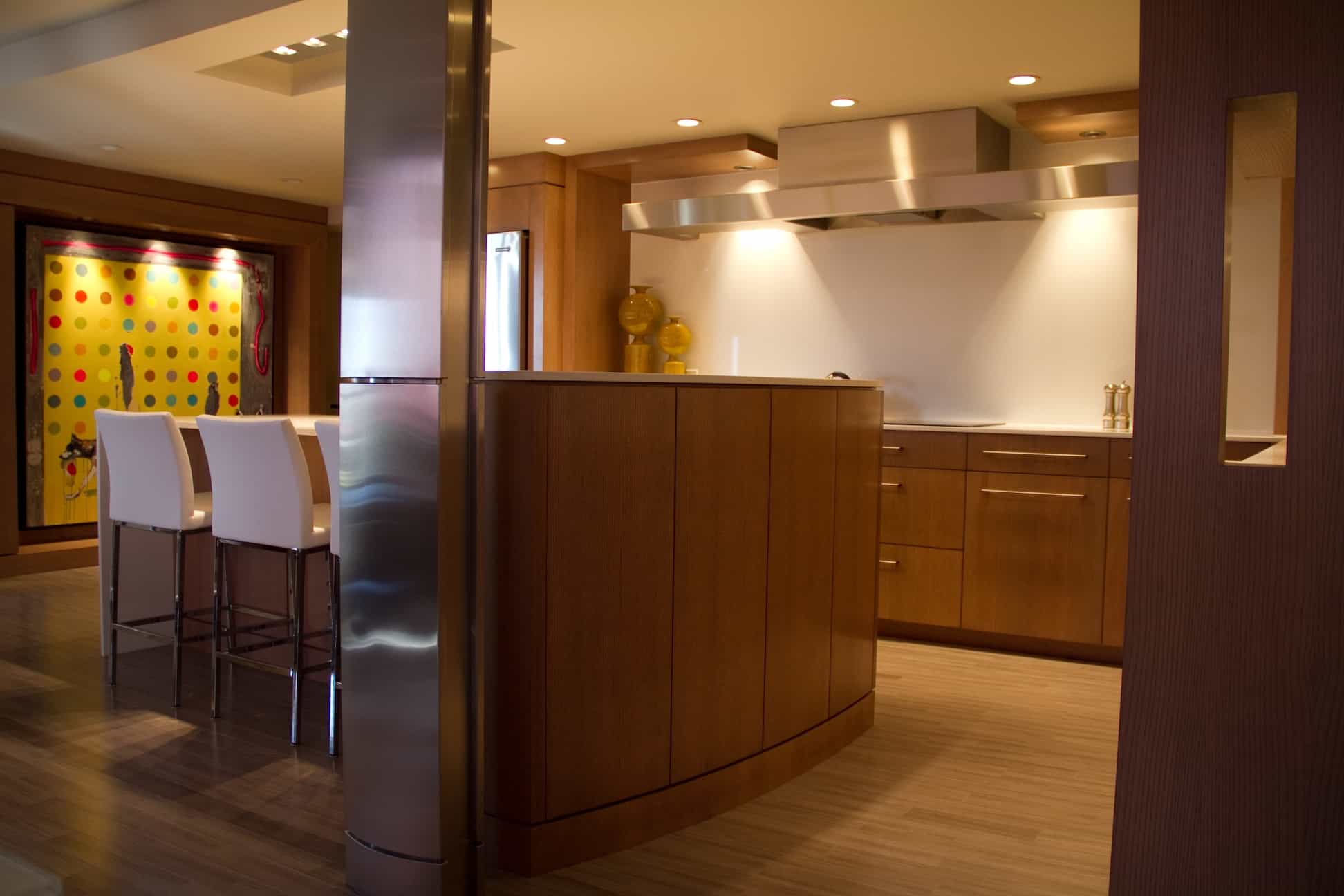
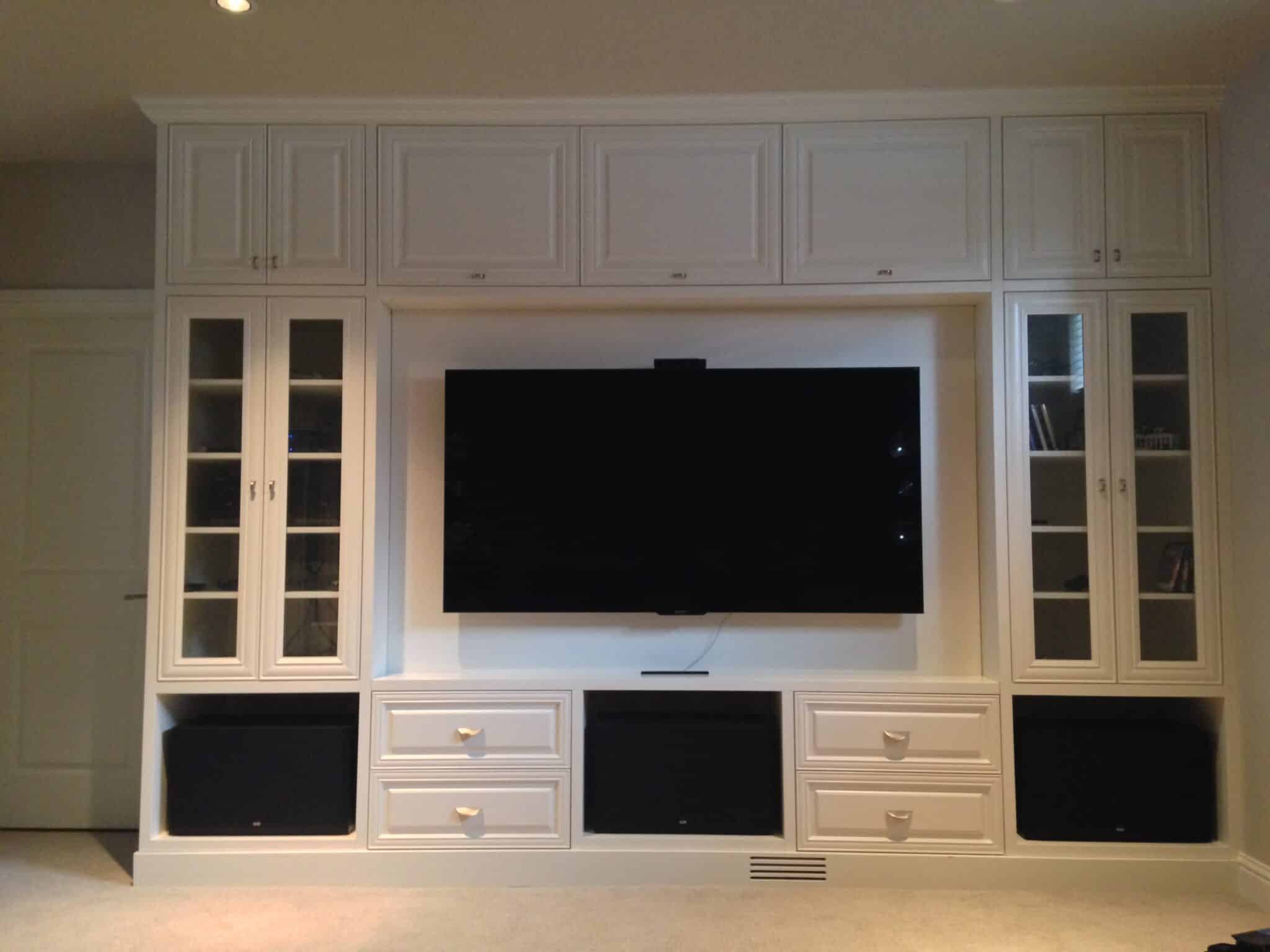
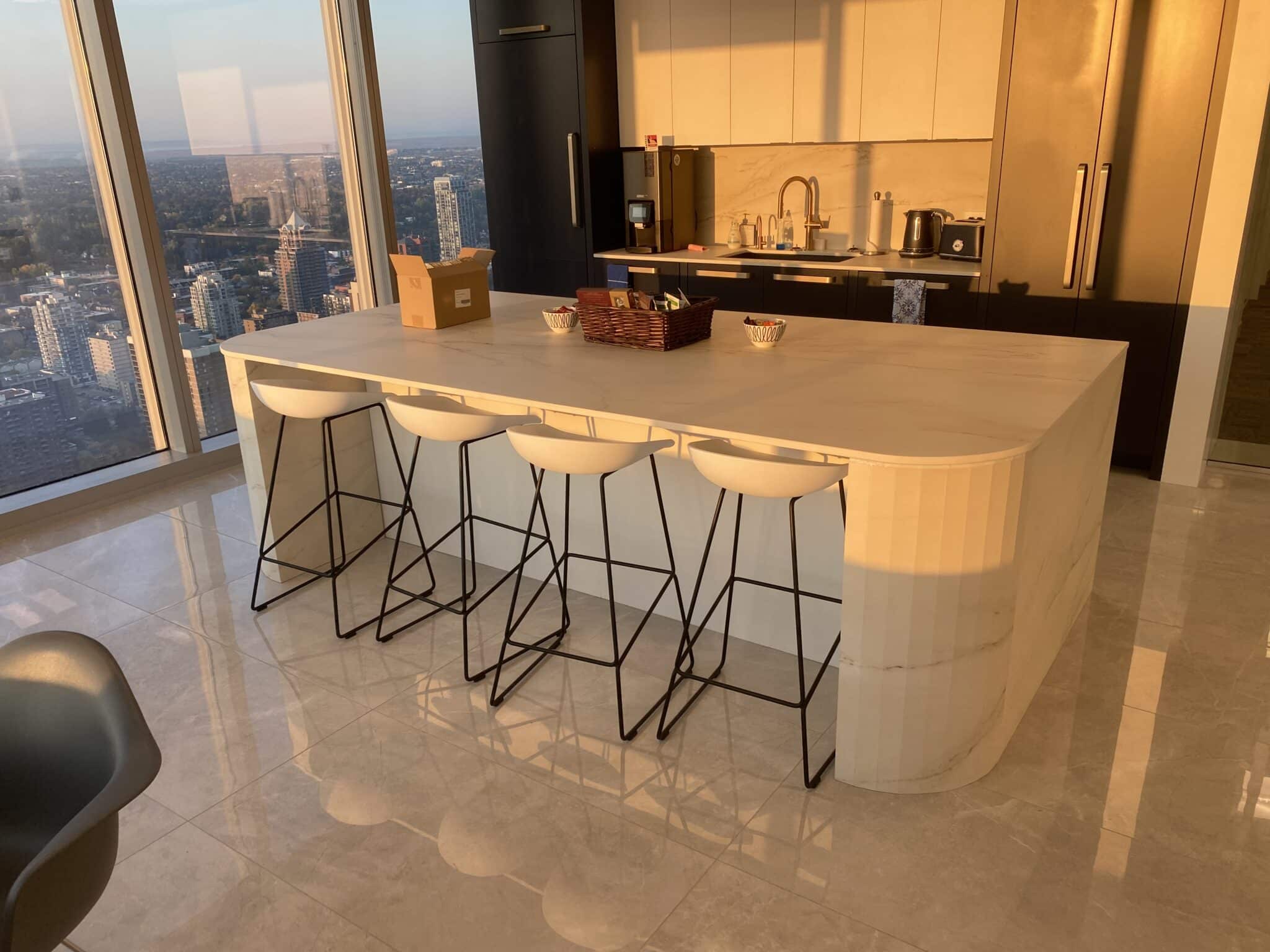
From cabinetry to architectural details, Uwe’s custom millwork blends centuries-old techniques with modern accuracy. 

Every piece is engineered not just to look exceptional, but to perform over decades, using only premium materials and meticulous construction that goes far beyond what typical shops provide.

Prime Millwork creates custom millwork that goes well beyond the drawings. For Uwe, quality means ensuring every hidden structural detail is as carefully considered as the visible ones. Material selection is never driven by cost but by performance, stability, and suitability. Clients trust Prime Millwork because they receive guidance, not just fabrication. If a design won’t last, Uwe will say so and propose a solution that will. This collaborative approach ensures that each piece, from custom cabinetry to architectural features, is built to stand the test of time.

The result is millwork that blends legacy craftsmanship with precision-driven modern production, always engineered to exceed expectations.

Get an Estimate

Get an Estimate.

Your Millwork Should Outlast the Trends — Let’s Make Sure It Will.

Custom millwork is only as good as the thinking behind it. Before any drawings are finalized or materials are ordered, Uwe wants to understand your project — not just what it looks like, but how it needs to perform, and what it needs to withstand over time.

Fill out the form to start the conversation. You’ll get honest, experience-driven guidance from a craftsman who isn’t afraid to tell you what will work, what won’t, and exactly what it takes to build something that lasts.

"*" indicates required fields

Name*

Other Services.

FAQ's.

What’s the difference between your custom millwork and what a typical shop produces?

Many shops build with strict adherence to drawings and instructions. Uwe brings decades of experience to the process and isn’t afraid to question a design if it won’t perform well or last. That perspective often leads to better construction decisions and, ultimately, better work.

What does “quality” actually mean in custom millwork?

It means the craftsmanship you don’t see matters just as much as what you do see. The final appearance is important, but so are structure, stability, and longevity. If an issue ever arises, it’s treated as a deficiency. Our goal from the beginning is to avoid deficiencies entirely.

What mistakes do homeowners often make when choosing millwork?

The most common issue is focusing on drawings or visual design without thinking about how the piece will function or hold up over time. A design can look beautiful on paper, but if it isn’t constructed properly, it won’t last. That’s where an experienced maker makes all the difference.

What details do you never compromise on, even if clients don’t see them?

Durability, foundational stability, and structural integrity are non-negotiable. Much of the most important craftsmanship in a piece of millwork is intentionally hidden, but it’s also what determines how well the piece holds up over time.

Why invest in custom millwork instead of buying something pre-made?

Pre-made pieces can work in some situations, but they’re built to general dimensions and general expectations. Custom millwork is designed specifically for your space and your needs. That means fewer compromises and a result that fits exactly the way it should.

How do you select materials for a project?

Materials are chosen for quality and suitability, not price. We work with trusted suppliers and inspect everything that comes into the shop. If something doesn’t meet the standard, it doesn’t get used, with no exceptions.

What questions should I ask when choosing a millwork shop?

Ask about the maker’s training and background, and what materials they regularly work with. Ask what equipment they have in-house and whether they have experience producing complex work. Those answers tell you a lot about what a shop is actually capable of building.

How long does a custom millwork project typically take?

Once everything is approved, production and installation typically take about six weeks, though timelines can vary depending on materials and scheduling. Often, the most important part of the project happens at the beginning — taking the time to fully understand what needs to be built before a single cut is made.